


Clean food
NO ARTIFICIALS
NO PRESERVATIVES
NEVER FROZEN BEEF
FRESH NOODLES, MADE DAILY
NO LEFTOVERS

All of our ingredients are fully sourced, thoughtfully prepared, and brought together with quiet intention - from pasture-raised beef and protein-enriched flour to slow-simmered broth and balanced spices. Each element plays its part, creating a bowl that feels clean, composed, and naturally satisfying.


04
Authentic Herbs & Spices
Our blend brings together a range of carefully selected spices, each contributing its own character while remaining in balance with the whole.
Warm, floral, and gently aromatic, they build depth without heaviness, allowing the broth to remain clean, layered, and quietly expressive.
03
Signature Broth Base
We take our time with the broth, slow-simmering it for at least eight hours using beef leg bones and free-range chicken.
This careful process brings out a natural richness and clarity, resulting in a broth that is clean, balanced, and quietly full of flavour.
02
Manildra Protein-enriched Flour
Our noodles begin with protein enriched flour milled in Australia from 100% non-GMO wheat by Manildra, a family-owned Australian miller established in 1952.
Produced under HACCP and ISO 9001 certified systems, the flour gives us a level of consistency we can trust day to day. Its higher protein structure provides us the strength and elasticity essential for hand pulling, allowing the dough to stretch smoothly, fold cleanly and take shape with a firm, supple feel - without force or shortcuts.
The finished noodles carry that structure through to the bowl, with a smooth surface, a steady bite and a clean resilient chew that holds up in broth without losing definition.
01
Australian Beef
We use Australian pasture-raised beef for its clean flavour and natural tenderness.
Sourced from farms where cattle roam freely, it reflects the same values we bring to our cooking: simplicity, quality, and a more considered approach from ingredient to bowl.
We use only fresh cuts, never frozen, allowing the quality of the beef to remain intact from start to finish.
Ingredients
We Use

NO ARTIFICIALS · NEVER FROZEN BEEF · FRESH NOODLES · NO LEFTOVERS
History: Used in classical TCM to “unblock meridians” and promote warmth.
Benefits: Improves circulation and helps the body adapt to cold climates — fitting for Lanzhou’s high-altitude winters.
The tender branch of the cinnamon tree, gentler than cassia.

Cinnamon Twig
桂丁
History: Valued in Tang-era prescriptions for improving appetite and digestion.
Benefits: Stimulates the spleen and alleviates nausea — grounding the richness of beef and bone broth.
Rare and aromatic, a traditional TCM ingredient often paired with ginseng.
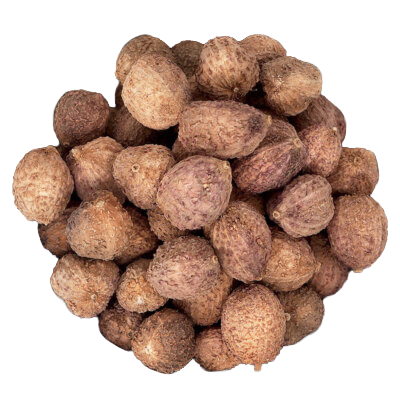
Amomum Sand
(Balansha Seed)
香砂
History: Originated in India and the Middle East, arriving in China through Persian traders; once reserved for imperial banquets.
Benefits: Promotes clear breathing, freshens the palate, and supports gut health.
Elegant and floral, balancing richness with freshness.

Cardamom
豆蔻
History: Native to southern China; a signature note in the classic Lanzhou broth.
Benefits: Rich in shikimic acid (a key antiviral compound); aids digestion and relieves cold symptoms.
Iconic in both Chinese and Western cooking, with a licorice-like fragrance.

Star Anise
八角
History: Recorded in early Han Dynasty medical texts and traded widely along the Silk Road.
Benefits: Enhances blood flow, regulates blood sugar, and warms the body.
Sweet, woody, and warming — a spice of emperors and merchants.

Cassia Bark
(Chinese Cinnamon)
桂皮
History: A relative of ginger, galangal travelled from Southeast Asia into Chinese kitchens over a thousand years ago.
Benefits: Believed to stimulate digestion, ease nausea, and strengthen the immune system.
Bright, citrus-peppery, and aromatic.

Galangal
山奈
History: Carried along the Indian Ocean trade into China and Europe; mentioned in ancient Ayurvedic and Han texts.
Benefits: Stimulates circulation and metabolism; adds gentle heat that lingers without burning.
An ancient cousin of black pepper, once more valuable than gold.
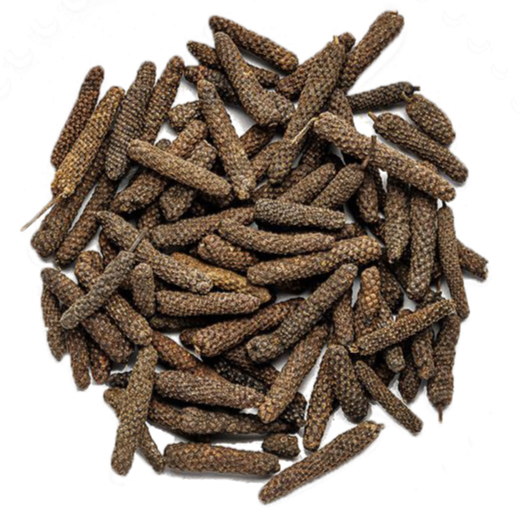
Long Pepper
(Piper Longum)
荜茇
History: A revered ingredient in Traditional Chinese Medicine (TCM) — called the “great harmoniser” for its role in balancing formulas.
Benefits: Soothes the throat, supports adrenal health, and optimises flavour balance.
Mildly sweet with an herbal depth that harmonises the entire spice mix.

Licorice Root
甘草
History: Introduced to China through Silk Road exchange, blending Middle-Eastern and Han culinary traditions.
Benefits: Known for easing bloating, supporting healthy digestion, and freshening breath.
Fragrant and slightly sweet, fennel has been a staple in Chinese and Mediterranean cooking for millennia.
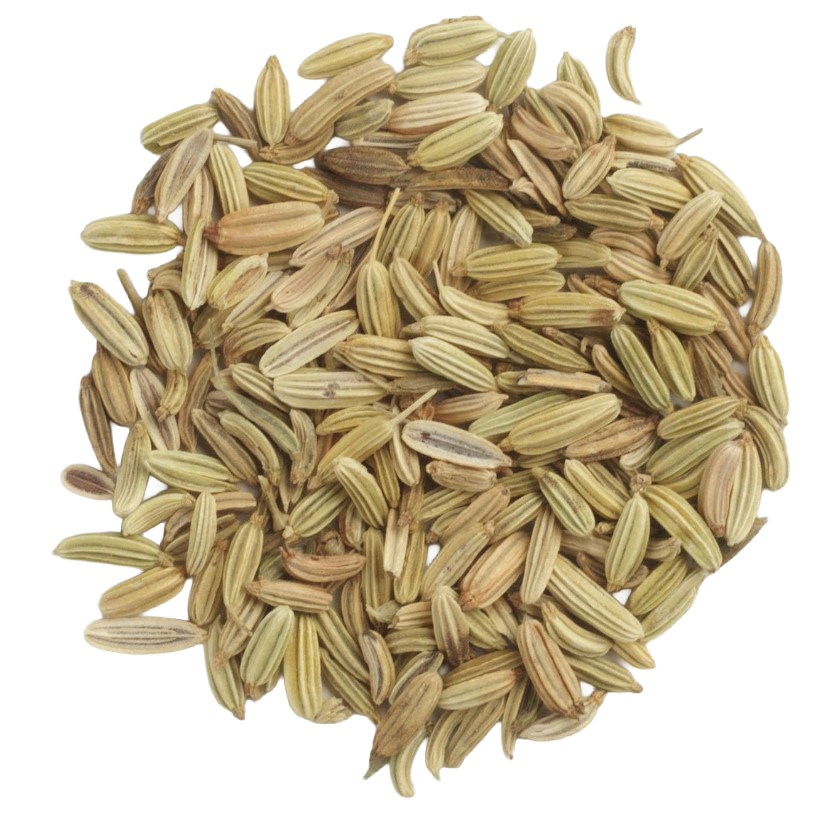
Fennel Seed
小茴香
History: Used since the Tang Dynasty in court cuisine and Tibetan butter tea; prized along ancient trade routes for its distinctive warmth.
Benefits: Traditionally believed to aid digestion and reduce sluggishness — perfect for balancing hearty beef broth.
A bold, smoky spice native to Yunnan and the highlands of western China.
